A good color match helps edge banding blend naturally with a furniture panel. But matching a customer’s reference is about more than choosing a similar color name: the shade, surface finish, pattern, and viewing light all affect how the finished edge looks.
For details relevant to this topic, review send a sample request and our quality process.
When a project calls for a specific color, sharing a clear reference and reviewing a sample before placing a bulk order can make the process more predictable. Here is how to approach custom color matching for edge banding.
Start with a useful reference
A physical sample is usually the clearest starting point. It may be a piece of the panel, an existing edge band, or another approved color reference. If a physical sample is not available, provide the closest available color code together with photos taken in neutral lighting.
Also share the details that affect the final appearance:
- The panel material and its surface finish
- The requested edge banding material, thickness, and width
- Whether the surface should be matte, textured, or glossy
- Any grain, pattern, or repeat direction that should be considered
These details help distinguish a close-looking color from a suitable match for the actual furniture application.
Compare the shade and the surface together
Two samples can appear similar under one light and noticeably different under another. Surface texture and gloss also change how a color is perceived. For that reason, review the candidate edge banding beside the reference under consistent lighting, and compare the color and finish together.
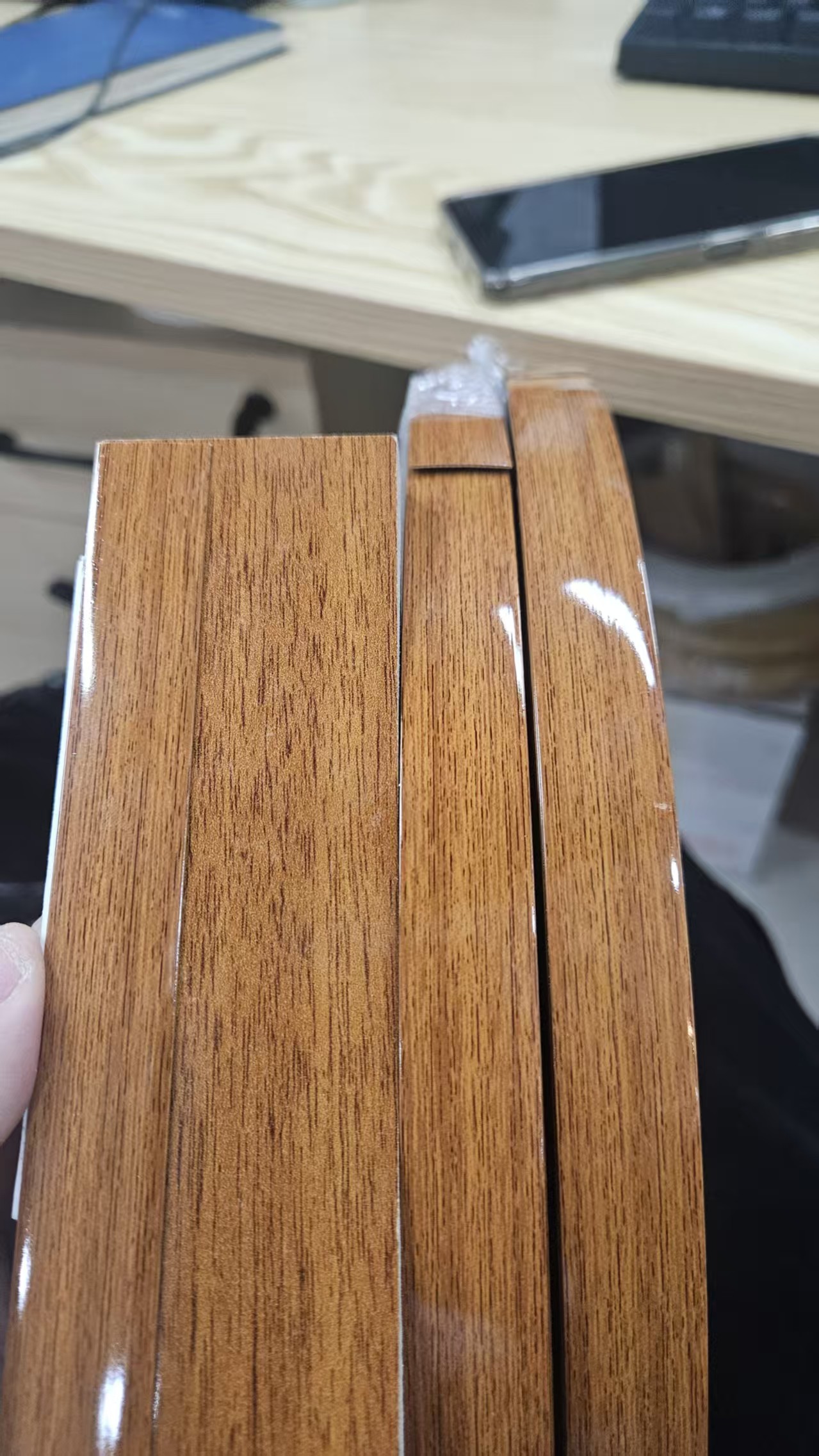
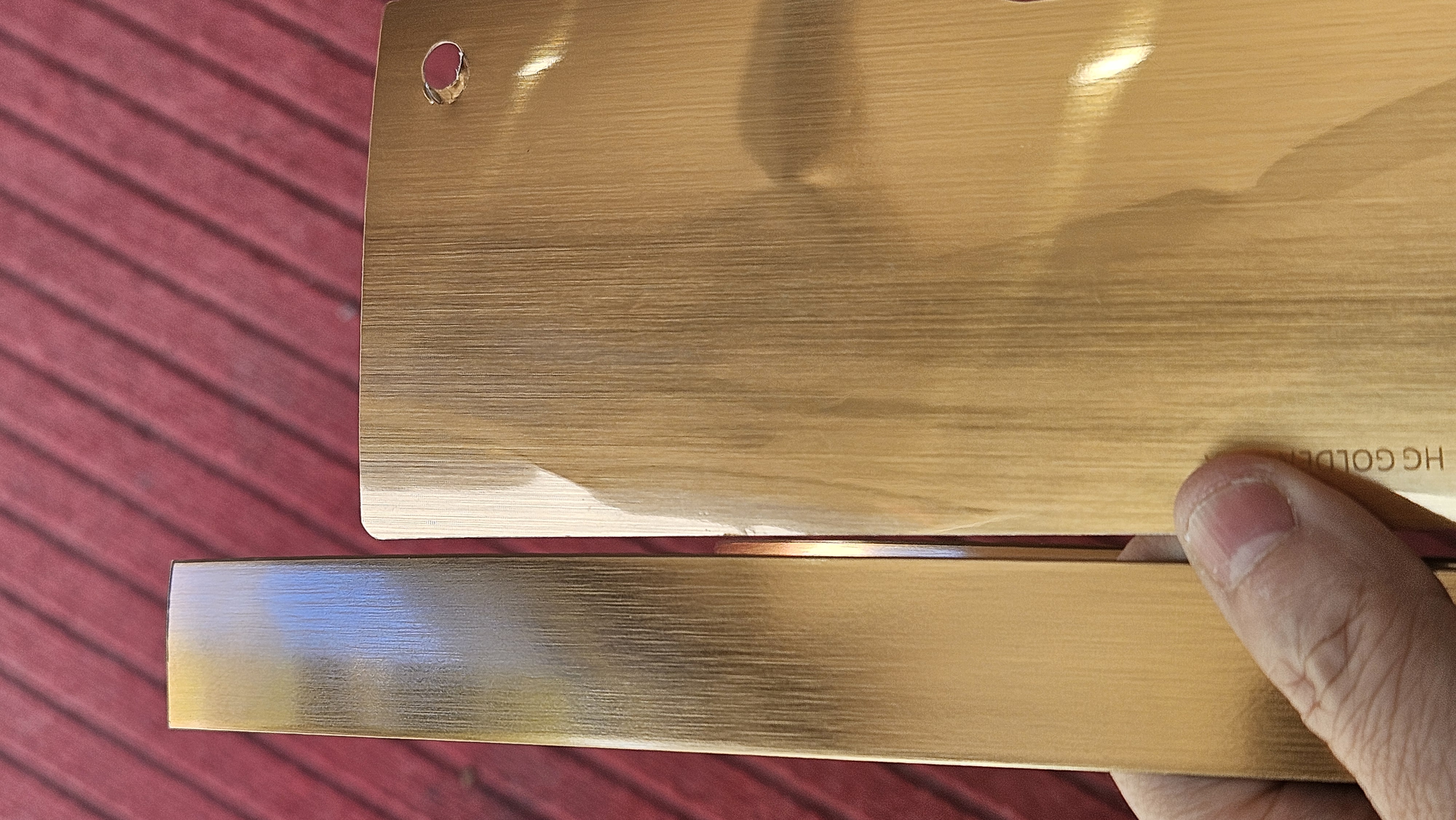
If a project has a required color standard, share it before sampling. Where calibrated color measurement is available, it can support the visual review, but approval should still reflect the material and lighting conditions in which the furniture will be used.
Review a sample before bulk production
Before confirming a large order, request a sample made for the specified application. Place it against the intended panel and check it in the room or lighting where the finished furniture will be seen. This gives the buyer and supplier a chance to confirm the shade, texture, and overall appearance before moving forward.
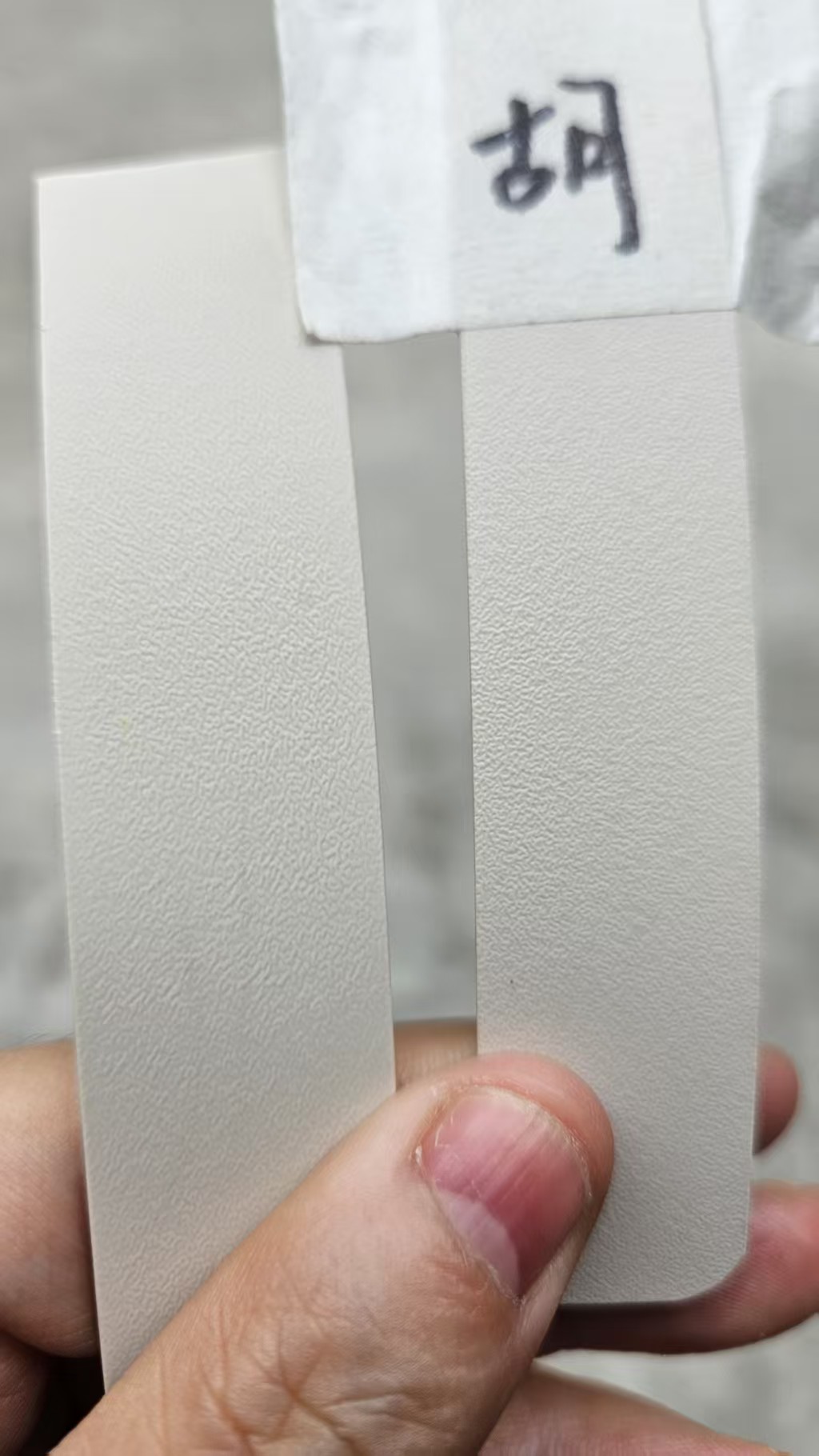
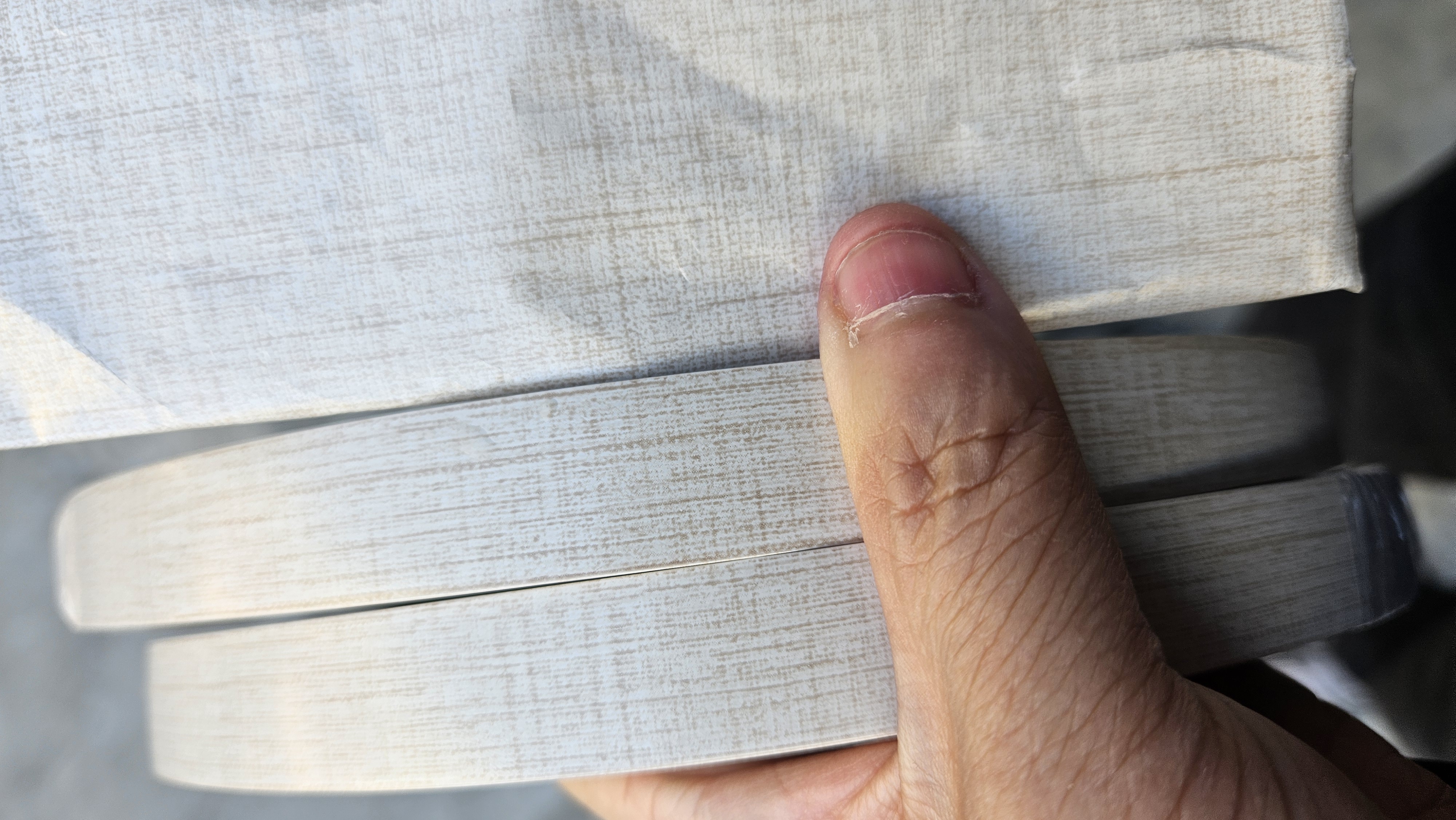
Once approved, keep a record of the confirmed reference and sample. This makes it easier to communicate the target for repeat orders and to compare future samples consistently. For a new panel, finish, or lighting environment, it is still worth checking a fresh sample rather than relying on color names alone.
Clear communication makes matching easier
For a smoother color-matching process, send the reference sample early, include the panel and finish details, and allow time to review the sample before production. If the first sample is not quite right, specific feedback—such as “slightly warmer,” “less glossy,” or “closer to the panel grain”—is more useful than a general request to change the color.
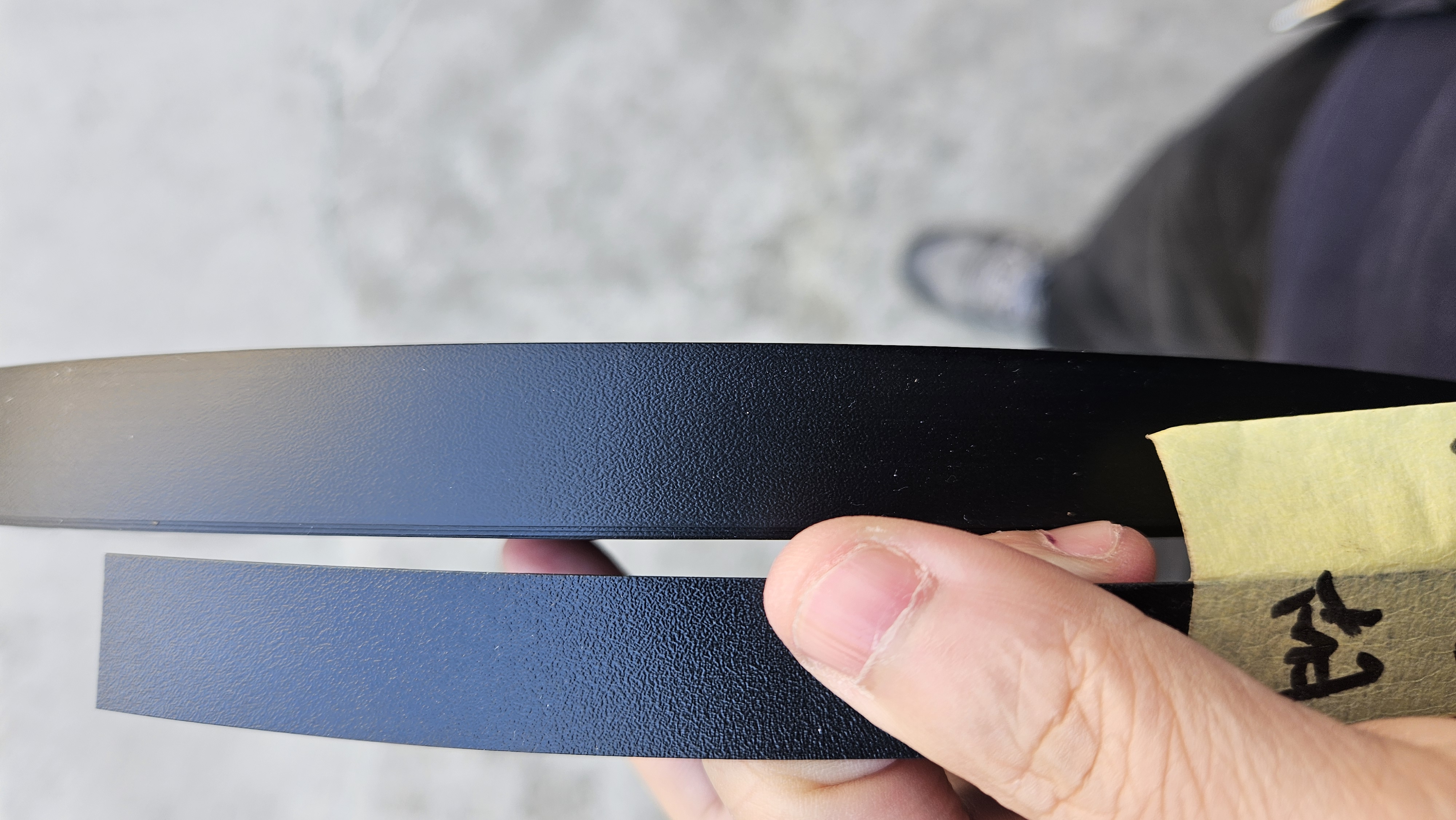
Custom color matching is a collaborative process. With a clear reference, application details, and sample approval, buyers can make a more informed choice and suppliers can work toward an edge banding color that fits the finished product.
